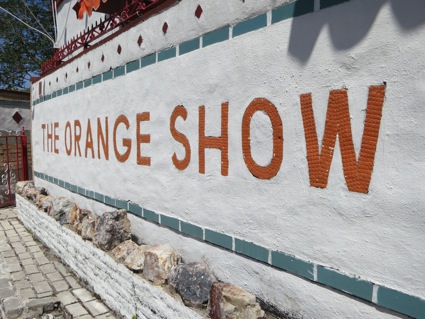
The Orange Show
The Orange Show
artist: Jefferson Davis "Jeff" McKissack (1902 - 1980)
built: c.1956 (exterior walls) / 1968 - 1979 (main construction)
where: 2401 Munger Street, Houston, Texas
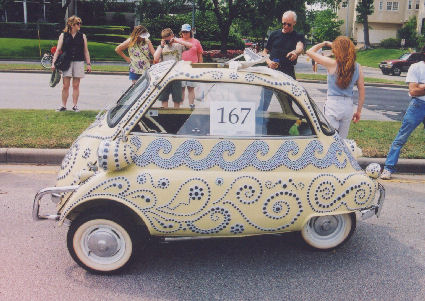
status: On March 4, 2024 the Orange Show will be closed approximately 18 months for conservation and reconstruction, although the office of the Orange Show Center for Visionary Art will continue to host public programs and events, including the annual Houston Art Car Parade.
Orange Show web info
1977 Texas Monthly magazine article
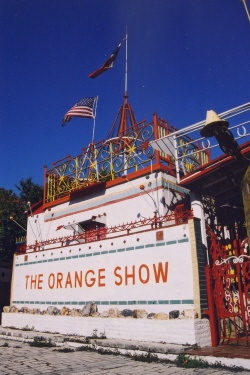
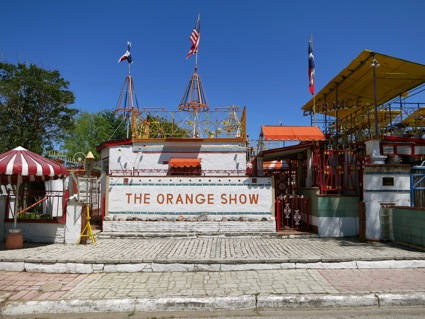
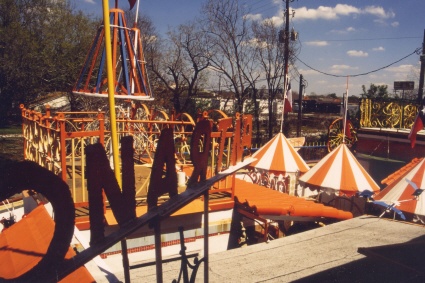
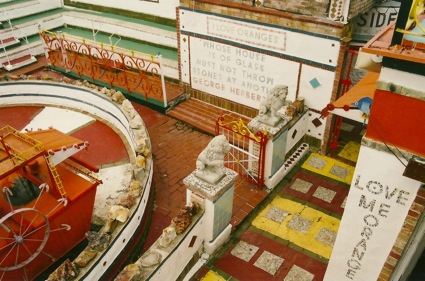
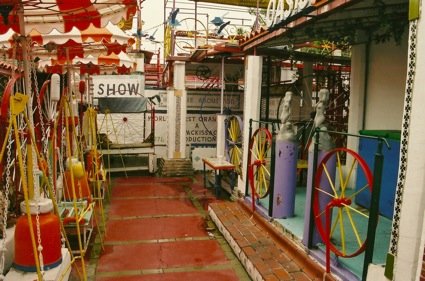
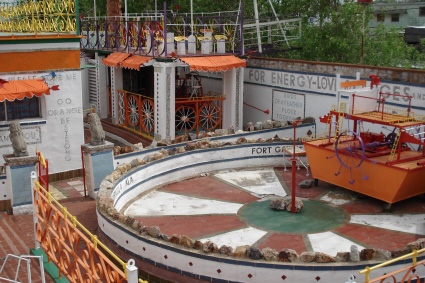
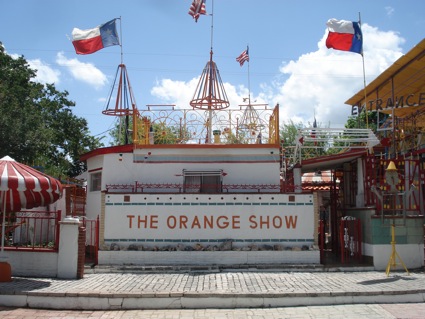
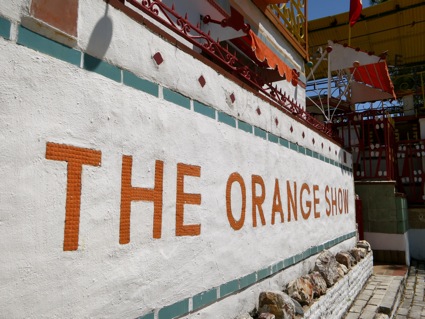
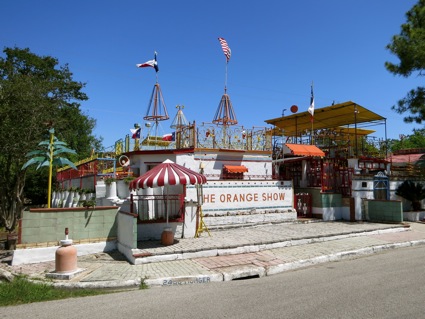
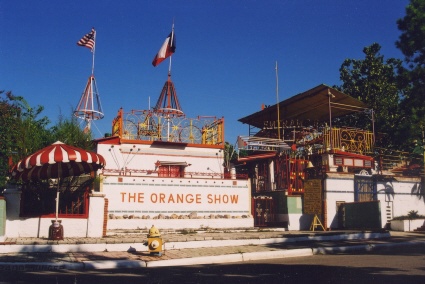 Built in a working class neighborhood of east Houston, Jefferson Davis McKissack's
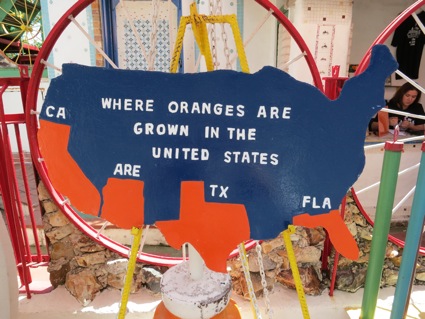
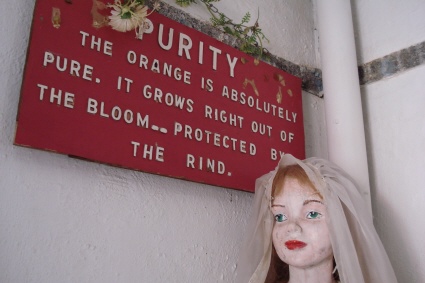
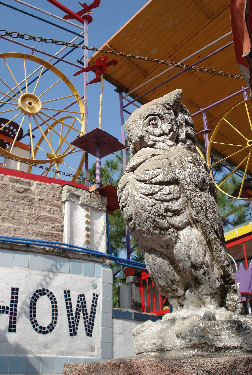
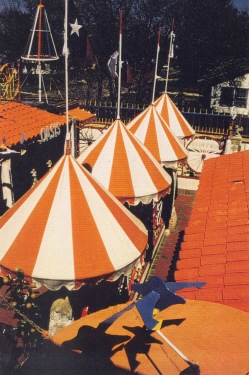
Orange Show is commonly described as a fun, colorful mini-amusement park dedicated to the power of
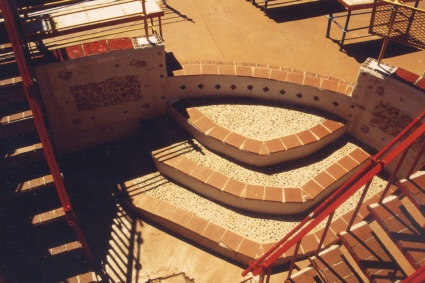
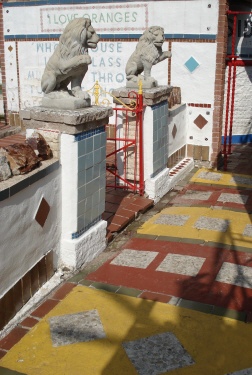
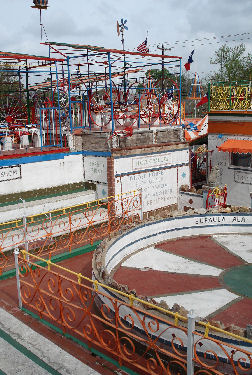
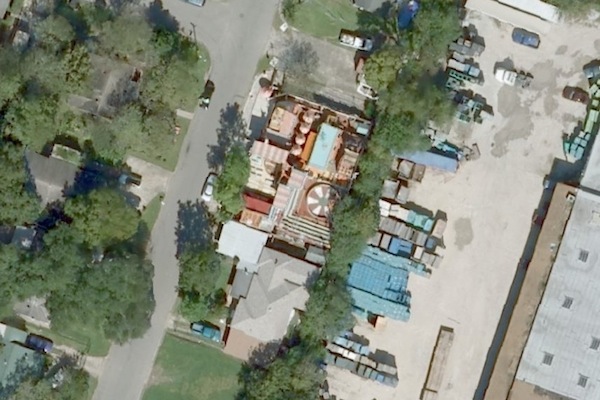
the orange. It is, in fact, one of the most architecturally sophisticated of U.S. folk art sites,
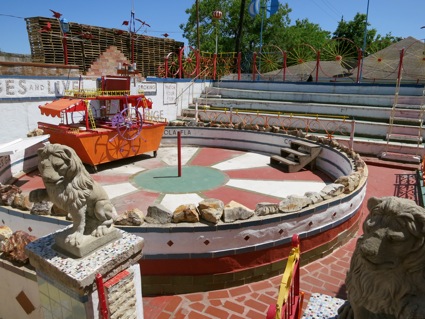
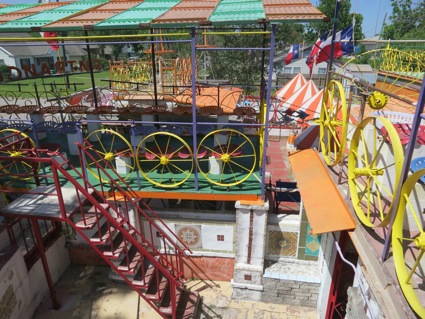
a multi-layered, multi-spatial, maze-like environment composed of the program elements of a classic Greek city
(theater, museum, agora, & temple).
Built in a working class neighborhood of east Houston, Jefferson Davis McKissack's
Orange Show is commonly described as a fun, colorful mini-amusement park dedicated to the power of
the orange. It is, in fact, one of the most architecturally sophisticated of U.S. folk art sites,
a multi-layered, multi-spatial, maze-like environment composed of the program elements of a classic Greek city
(theater, museum, agora, & temple).
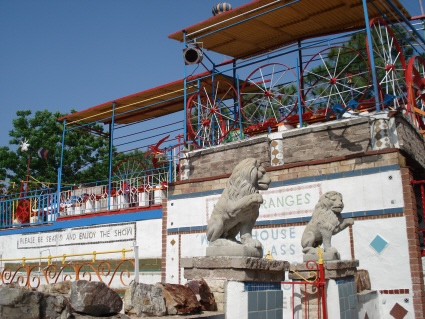
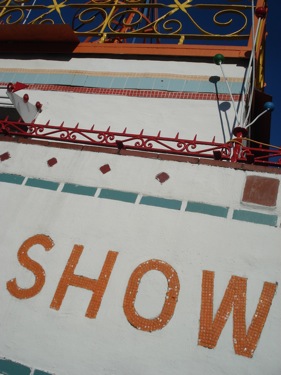
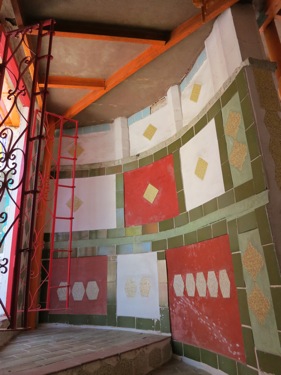
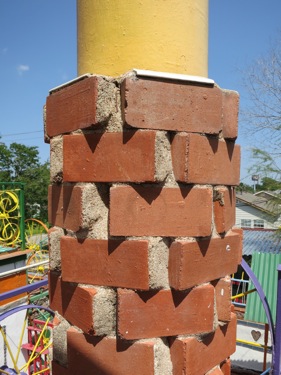
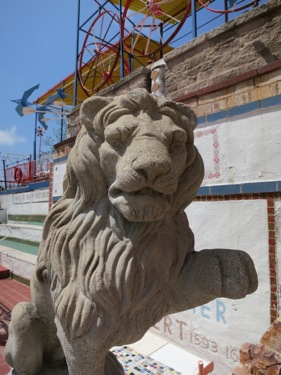
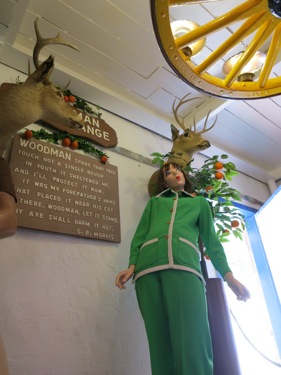
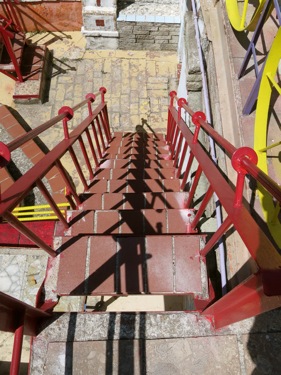
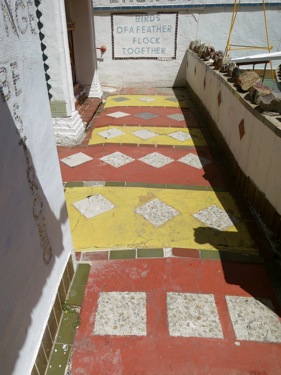
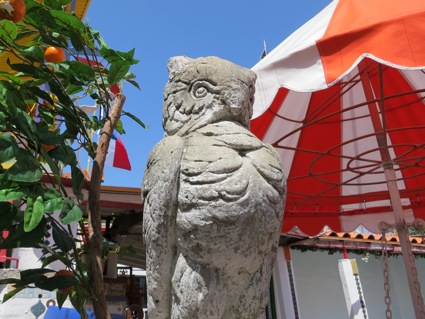
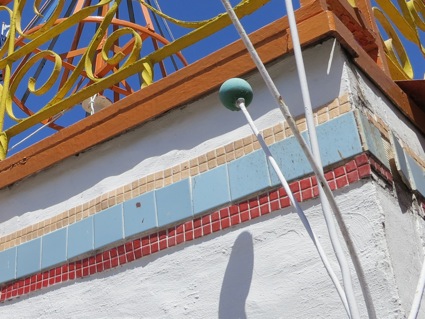
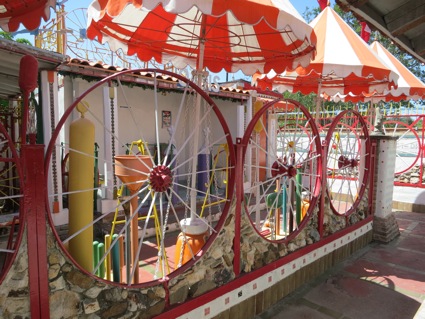
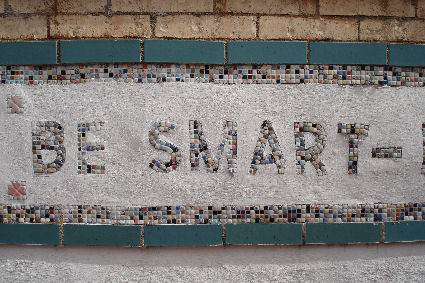
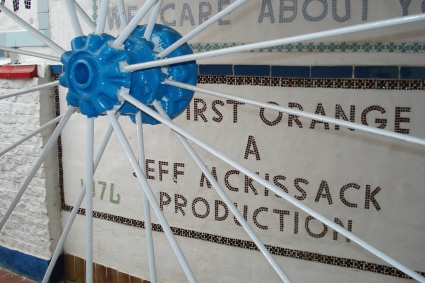
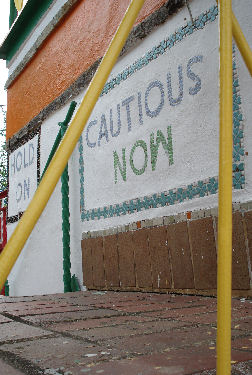
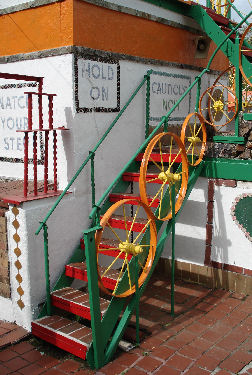
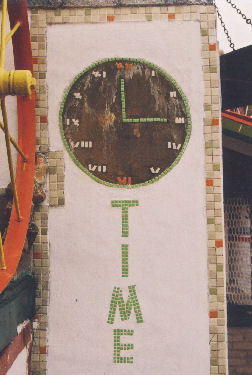
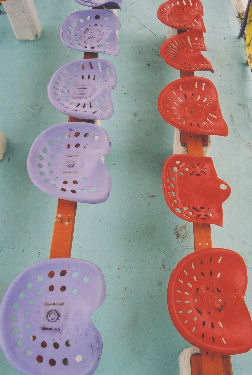
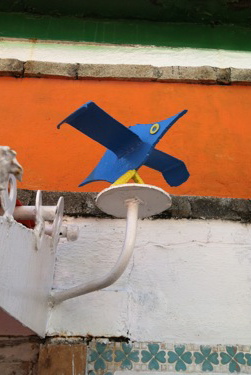
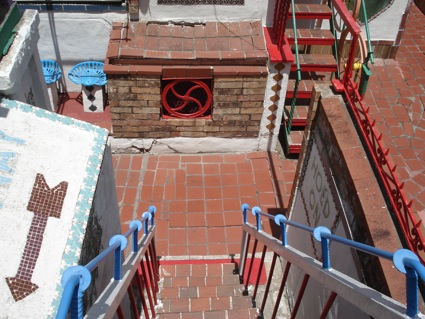
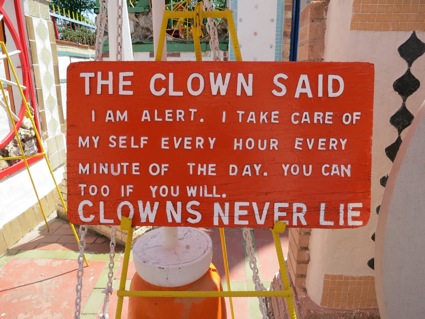
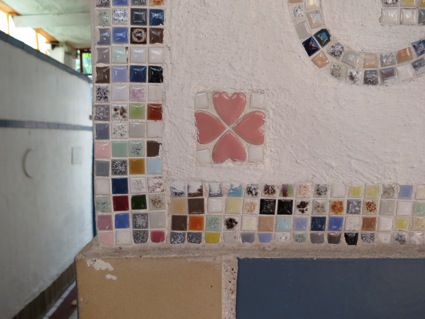
McKissack, a postman who ventured into many side businesses, started building the Orange Show in the mid 1960s, after he gave up on plans to initially open a plant nursery, then later a beauty parlor. He envisioned his new construction as a monument to health, good living, and specifically, that Vitamin C-packed wonder, the orange. Using cast-off materials from scrap yards and Houston's constant building demolition, McKissack began to piece together a rich collage of tiles & bricks, stairs & corridors, wagon wheels & flags.
When he opened the Orange Show to the public in 1979, McKissack predicted that it would draw thousands, rivaling the Astrodome as a city tourist attraction. Unfortunately, the crowds didn't come, and he passed away just a few months later. Luckily, a group of Houston's leading art patrons saw the importance of McKissack's creation and purchased the property from his nephew. Following a renovation, the Show opened again, this time supported by a foundation that sought not only to preserve the monument, but also to promote activities that would realize McKissack's dream of a citywide gathering place. Through its 20+ years of existence, the Orange Show Center for Visionary Art has grown to become a major institution for visionary art awareness, supporting art workshops, mural projects, lectures, films, the Eyeopener Tours program, as well as the nationally-renowned Art Car Weekend, held annually in May.
As a long-time volunteer, all I can say is, come to Houston and enjoy The Show.